

01 Mar Pneumatic Actuators

Pneumatic Actuators
Pneumatic Actuators


DESCRIPTION
Specification:
Size: 214 in lbs-81,000 in lbs.
Temperature Range: -30℉~300℉
Pressure Rating: 40-150 psig
Body Materials: Hard Anodized/Powder Coated Aluminum, Nickel Infused Aluminum, 304SS, 316SS, Teflon Coated
Design:
To meet the customer requirements in flow control systems, Value Valve is constantly developing our products to be a superior product choice in sever applications. Value Valve created a new design for Rack and Pinion and Scotch Yoke Pneumatic Actuators by improving the materials as well as the mounting structure.
Value Valve is one of the few companies that has been certified with the Safety Integrity Level 3 according to IEC 61508-1 and ISO 9001 by TUV for the VF-9 series.
Why SELECT SIL-3 Valves/ Actuators?
SIL stands for Safety Integrity Level. A SIL is a measure of safety system performance, in terms of probability of failure on demand (PFD). . There are four discrete integrity levels associated with SIL: SIL 1, SIL 2, SIL 3, and SIL 4. The higher the SIL level, the higher the associated safety level, and the lower probability that a system will fail to perform properly. For the process industries, SIL 4 systems are so complex and costly that they are not economically beneficial to implement.
Selecting the appropriate SIL level must be done carefully. Costs can increase considerably to achieve higher SIL levels. Typically, in the process industry, companies accept a SIL 2 rating, but if you can obtain a Butterfly Valve or Automated Butterfly Valve Package with a complete Standard SIL-3 rating, utilizing our RP series actuator with little or no increase in cost, then that is the logical decision.
| Safety Integrity Level | Risk Reduction Factor | Probability of Failure on Demand |
| SIL 4 | 100,000 to 10,000 | 10-5 to 10-4 |
| SIL 3 | 10,000 to 1,000 | 10-4 to 10-3 |
| SIL 2 | 1,000 to 100 | 10-3 to 10-2 |
| SIL 1 | 100 to 10 | 10-2 to 10-1 |
You can see a SIL-2 valve/actuator is 10X more likely to fail than a SIL-3
Features:
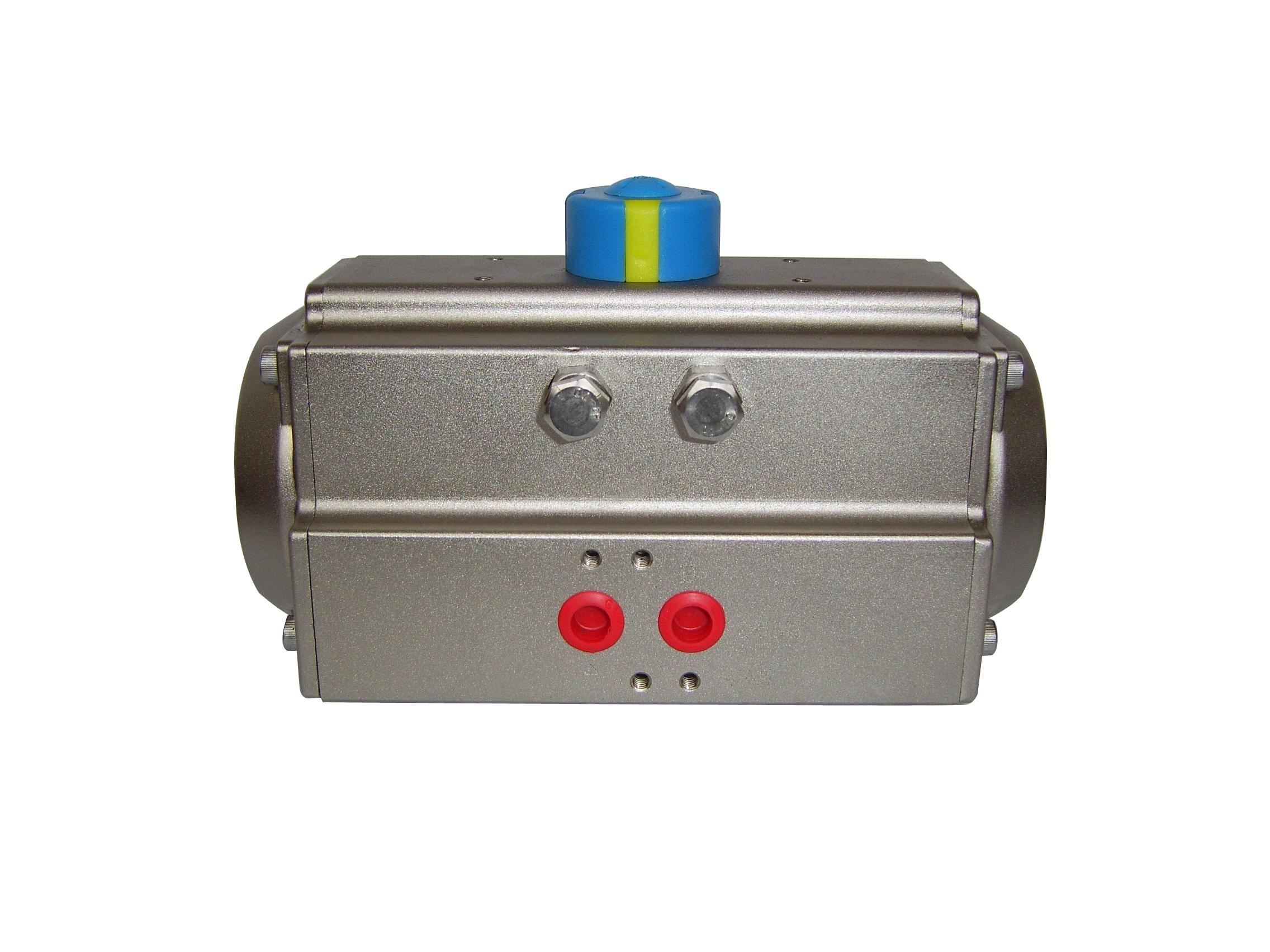
- RPB features an excellent design for Butterfly valve applications. The RPB is a state-of-the- art design with high reliability, high cycle life, durability and ease (or no) maintenance
- The standard extruded Aluminum body (ASTM 6005) is hard anodized and polyester powder coated for maximum corrosion resistance. Optional features include Nickle Infused Aluminum for greater life in more demanding applications as well as all 304SS Body and Internals or 316SS Body and Internals for the most demanding applications.
Teflon coated bodies are also available for special applications
- The pinion is precision machined of Alloy Steel and then Nickle Plated for corrosion resistance. The SS versions utilize 304SS or 316SS pinions for Maximum corrosion resistance.
- Bottom Pad and Top Stem are standard ISO-5211/ Namur, unlike others with proprietary stem dimensions. This allows the end user to use other actuators should there be a preference or replacing a damaged actuator with anyone’s ISO-5211 actuator in an emergency.
- Large Delrin pads are used to stabilize the racks and provide extremely long life without lubrication and minimal friction
- O-rings seals are standard NBR but are available at minimal cost in Viton and provide bubble tight shutoff to 120 psig
- Dual balanced Racks are standard die-cast aluminum then hard anodized for long service life to 2,000,000 cycles
- Travel stops on the RPB series are characterized for Butterfly Valves with a single travel stop allowing adjustment in the closed position while allowing extended travel stops to limit the opening or closing travel from 0-90 Degrees
- RPB Pneumatic Actuators come standard with top position indicator
- Cycle life up to 2,000,000 cycles
Actuator Alignment in Automated Valve Packages
Precise alignment is important in automated valve packages where consistent movement supports stable flow control. The RP series actuator design helps maintain predictable positioning across full travel ranges, even when systems operate under changing pressure or temperature conditions. This alignment supports automated valve coordination by ensuring the valve disc or plug reaches the intended position without drift or unintended offset. In automated environments where timing and repeatability influence overall process behavior, stable alignment helps maintain dependable operation and reduces the likelihood of cycle interruptions.
Air Path Efficiency for Pneumatic Systems
Internal air-path geometry plays a major role in actuator responsiveness and overall pneumatic efficiency. The RP series actuator uses balanced internal routing to support smooth air movement, helping maintain consistent response speed across full travel ranges. This efficiency is valuable in systems where air supply conditions may vary due to compressor load, line length, or distribution layout. Facilities that rely on pneumatic flow control benefit from actuators that maintain stable movement even when air pressure fluctuates. Efficient air use also supports long-term system reliability by reducing unnecessary strain on compressed air infrastructure.
Component Interaction Within Valve Assemblies
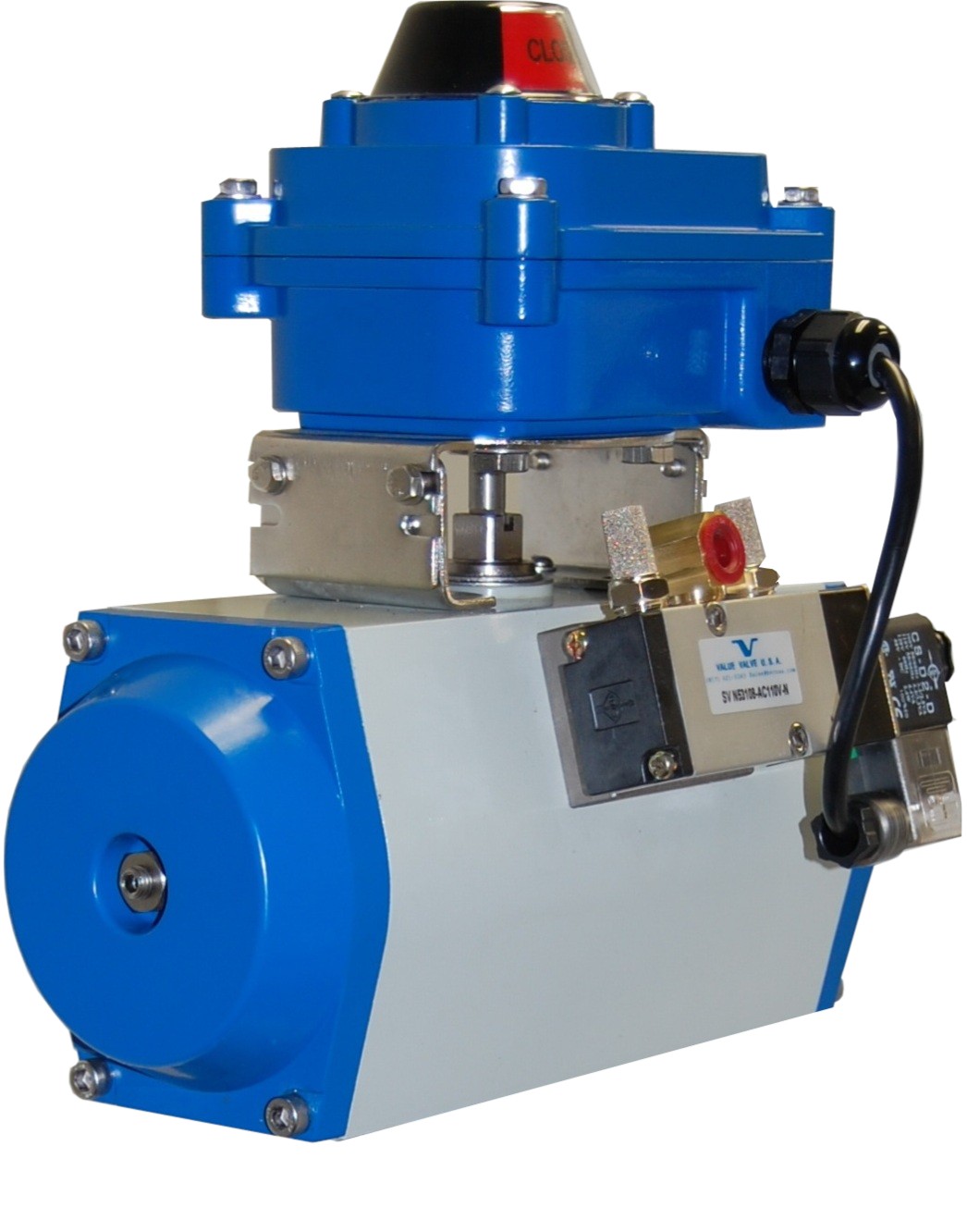
Valve assemblies often combine actuators, brackets, couplings, stems, and feedback devices into a single coordinated package. The RP series actuator supports predictable interaction with these components by maintaining stable torque transfer and controlled internal movement. This behavior helps reduce wear on connected parts and supports consistent valve operation across extended service intervals. Facilities using integrated valve automation benefit from actuator designs that maintain alignment with positioners, limit switches, and solenoid valves without requiring frequent adjustments. Stable component interaction also supports easier troubleshooting and long-term system reliability.
Cycle Behavior in High-Frequency Applications
High-frequency applications require actuators that maintain stable movement across extended cycle counts. The RP series actuator design supports dependable performance in systems that run continuous or rapid open close cycles. Balanced racks, stabilizing pads, and controlled internal movement help reduce friction and wear, supporting long service intervals even under demanding operating conditions. Facilities that rely on high-frequency actuation benefit from actuators that maintain consistent torque output and predictable travel behavior. This stability helps reduce downtime, supports efficient process control, and contributes to overall system reliability.
System Compatibility Considerations
Facilities evaluating actuator compatibility often consider multiple factors to ensure predictable performance in new or existing flow-control systems:
- Mounting interface requirements
- Torque range alignment
- Seal material selection
- Accessory integration
These considerations help ensure the actuator matches the valve package, control accessories, and environmental conditions present in the application. Proper compatibility supports stable movement, predictable cycle behavior, and long term reliability across varied operating environments.
FAQs
How Does Actuator Alignment Influence Valve Performance?
Consistent alignment helps maintain predictable valve movement, supporting stable flow control in automated and manual systems. Stable alignment reduces the likelihood of unintended travel variation and supports dependable operation across extended service intervals.
What Factors Affect Air Consumption in Pneumatic Actuators?
Air-path geometry, rack balance, and internal sealing influence overall air use and response behavior. Efficient routing helps maintain consistent movement even when air supply conditions vary.
Can These Actuators Support Accessory Mounting Without Modifications?
Yes. The ISO-5211 and NAMUR interfaces support direct mounting for positioners, solenoid valves, limit switches, and other accessories used in automated flow-control systems.
Why Is Cycle Stability Important in Automated Systems?
Stable cycle behavior helps maintain consistent operation in systems that run frequent open close movements or continuous duty cycles. Predictable movement supports reliable flow control and reduces the likelihood of unplanned downtime.
Sorry, the comment form is closed at this time.