
25 Mar Operators





DESCRIPTION
Specification:
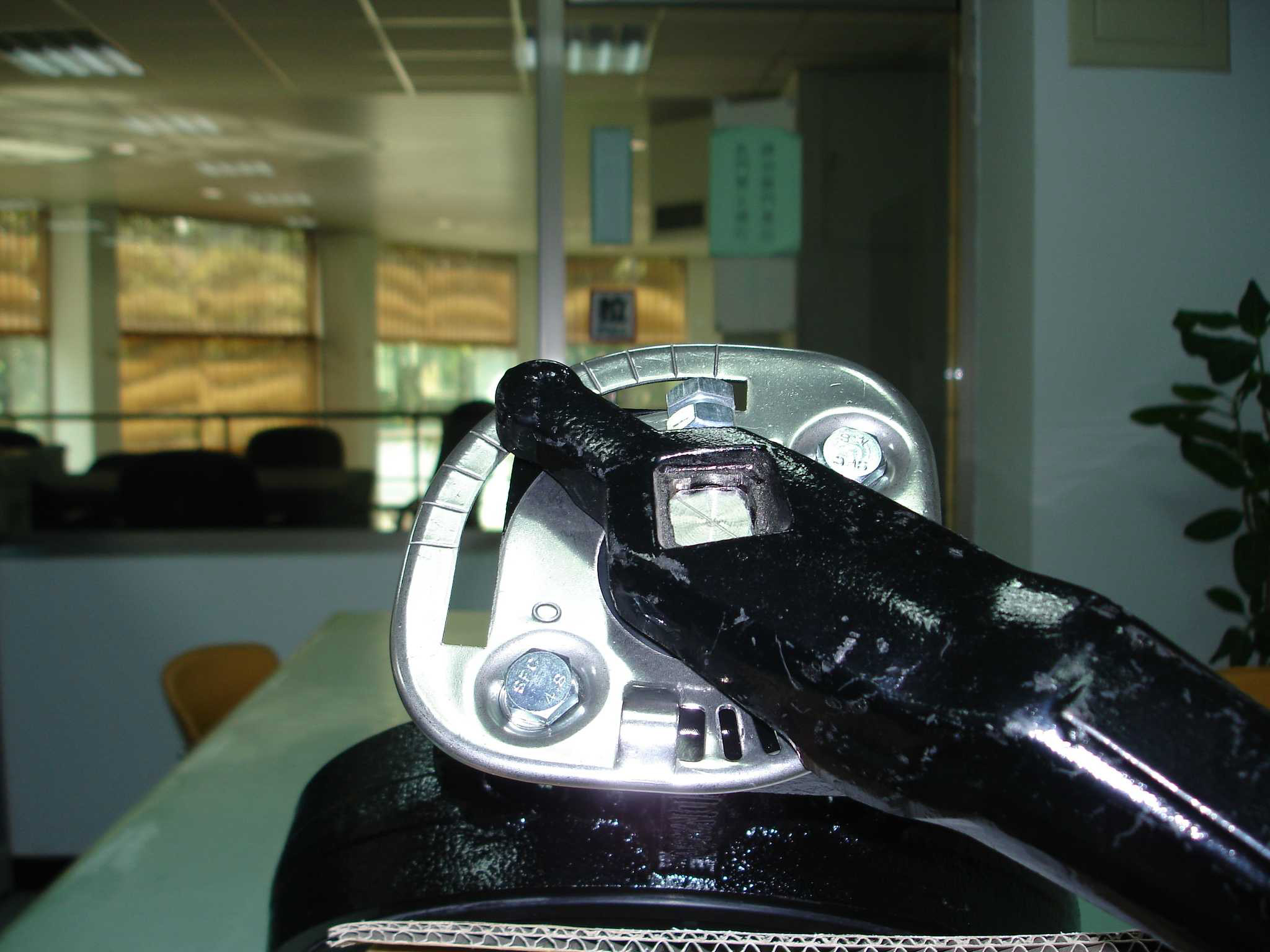
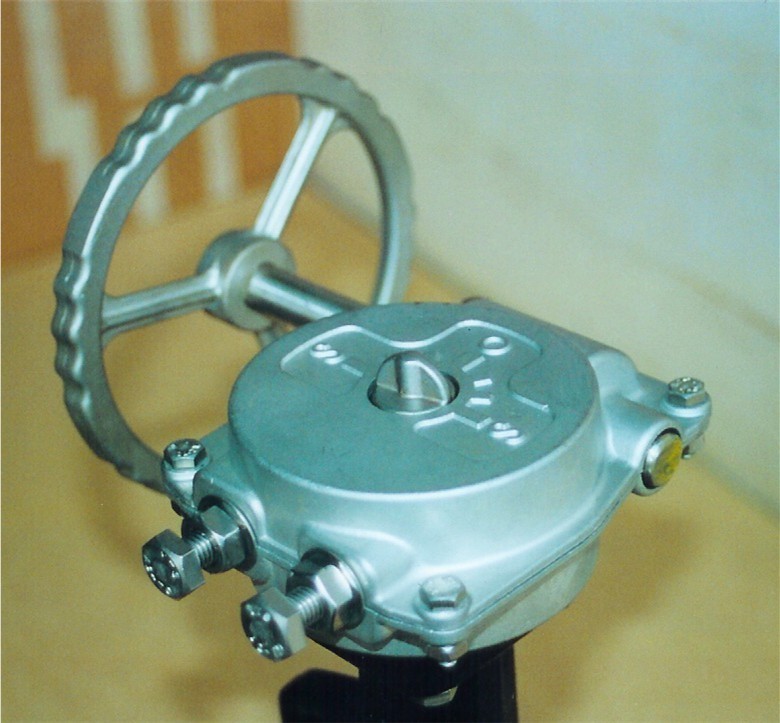
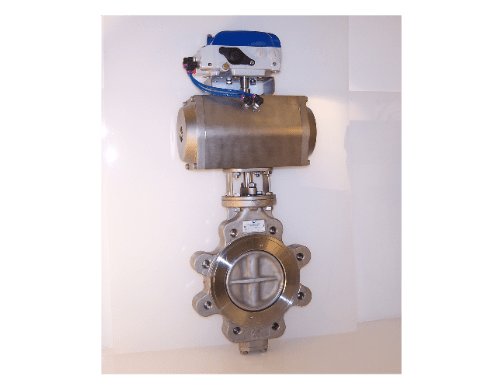
Value Valves offers a variety of options to manually operate their quarter turn valves with valve operators:
- Ductile Iron 10 positions handles with reversible notch plate for Infinite positioning, available with Top Trigger(L) of Traditional Bottom Trigger(K)
- 304 Stainless Steel 10 position handles with reversible notch plate for Infinite positioning.
- Cast Iron, Part Turn Gear Operators standard with Grease Cert for long life and easy maintenance
- 304 Stainless Steel Part Turn Gear Operators with standard grease cert for easy maintenance, comes standard with gear box fully filled with Marine grease and double O-Rings
- Gear Box Locking Devices
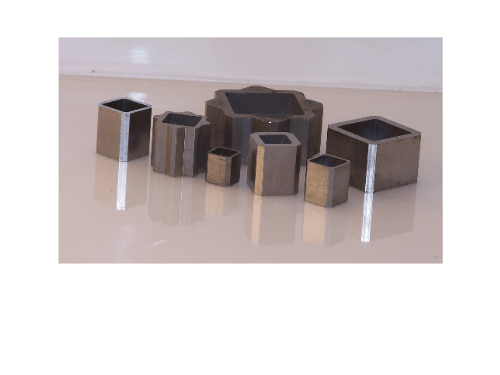
- 0” Square Nuts
- Manual Declutch able Override
- Chain Wheel Operators
- Direct Handwheel Operators
Mechanical Control Behavior in Manual Valve Operation
Manual valve operators must maintain stable movement and predictable torque transfer across varied operating conditions. The available handles, gear operators, and handwheel mechanisms support consistent control in systems where precise positioning influences flow behavior. This stability helps maintain alignment with manual valve actuation used in industrial, chemical, and processing environments. When valves operate under changing pressure or temperature conditions, predictable manual control supports dependable operation and reduces the likelihood of unintended movement or misalignment.
Material Performance in Varied Operating Environments
Manual operators encounter different environmental conditions such as moisture, chemical exposure, vibration, and temperature changes. Ductile iron, stainless steel, and coated materials help maintain structural stability and long service life in these environments. Stainless steel operators support applications where corrosion resistance is important, while coated iron operators provide dependable performance in general industrial settings. This material behavior supports valve operator durability across a wide range of process applications.
Gear Interaction and Torque Transfer Stability
Part-turn gear operators rely on controlled gear interaction to support smooth movement and predictable torque transfer. Marine-grade grease, double O-rings, and stabilized internal components help maintain consistent performance across extended service intervals. This behavior supports gear-driven valve control in systems that require reliable manual operation under load. Stable gear interaction also helps reduce wear on connected valve components and supports long-term reliability.
System Compatibility Factors
Facilities evaluating manual operator compatibility often consider:
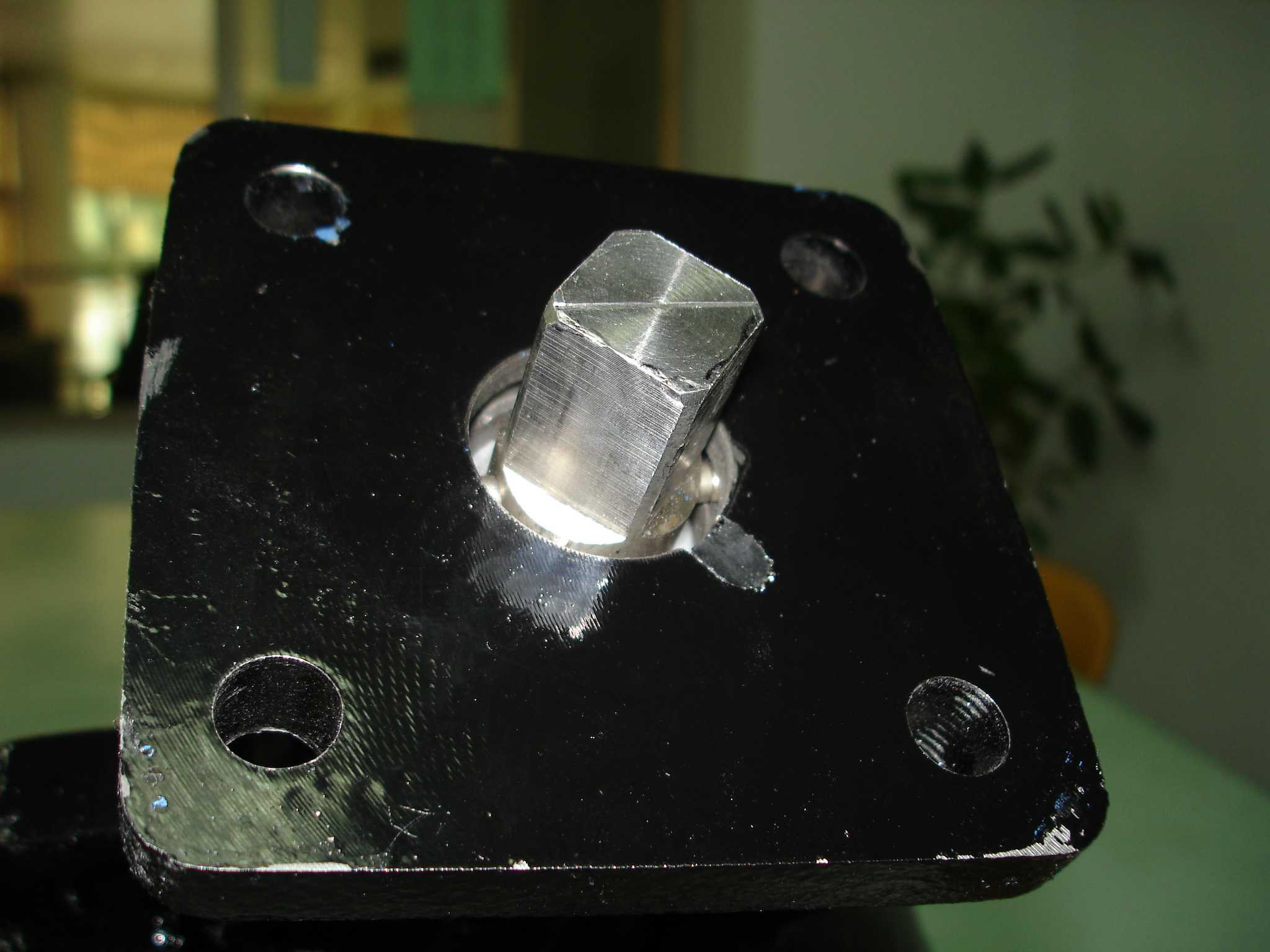
- Valve stem dimensions
- Required torque range
- Environmental exposure
- Operator style selection
These factors help ensure the operator matches the valve package, environmental conditions, and required control behavior. Proper compatibility supports stable movement, predictable positioning, and long term reliability.
Control Stability in High-Use Applications
High-use applications require manual operators that maintain stable movement across frequent cycles. The available handles, gear operators, and chain wheels support dependable performance in systems that experience repeated adjustments or continuous monitoring. Controlled movement and reinforced materials help maintain consistent positioning in high-use valve applications where operator reliability influences overall process efficiency.
FAQs
How Do Material Choices Influence Manual Operator Performance?
Material selection influences corrosion resistance, wear behavior, and stability under changing process conditions. Ductile iron and stainless-steel support dependable operation across varied environments.
What Factors Affect Torque Transfer in Manual Gear Operators?
Gear design, lubrication, and internal sealing influence torque transfer. Stable interaction supports predictable movement and long service intervals.
Can These Operators Be Used with Different Valve Stem Configurations?
Yes. The available stem and mounting options support compatibility with common quarter-turn valve designs used in industrial and processing systems.
Why Is Control Stability Important in Manual Valve Applications?
Stable control helps maintain predictable valve movement, supporting consistent flow behavior and reducing the likelihood of misalignment during operation.
Sorry, the comment form is closed at this time.