

01 Mar Electric Actuators


DESCRIPTION
General
Sizes: 310 in lbs -40,000 in lbs
Temperature Range: -4F-400F (-20C – 204C)
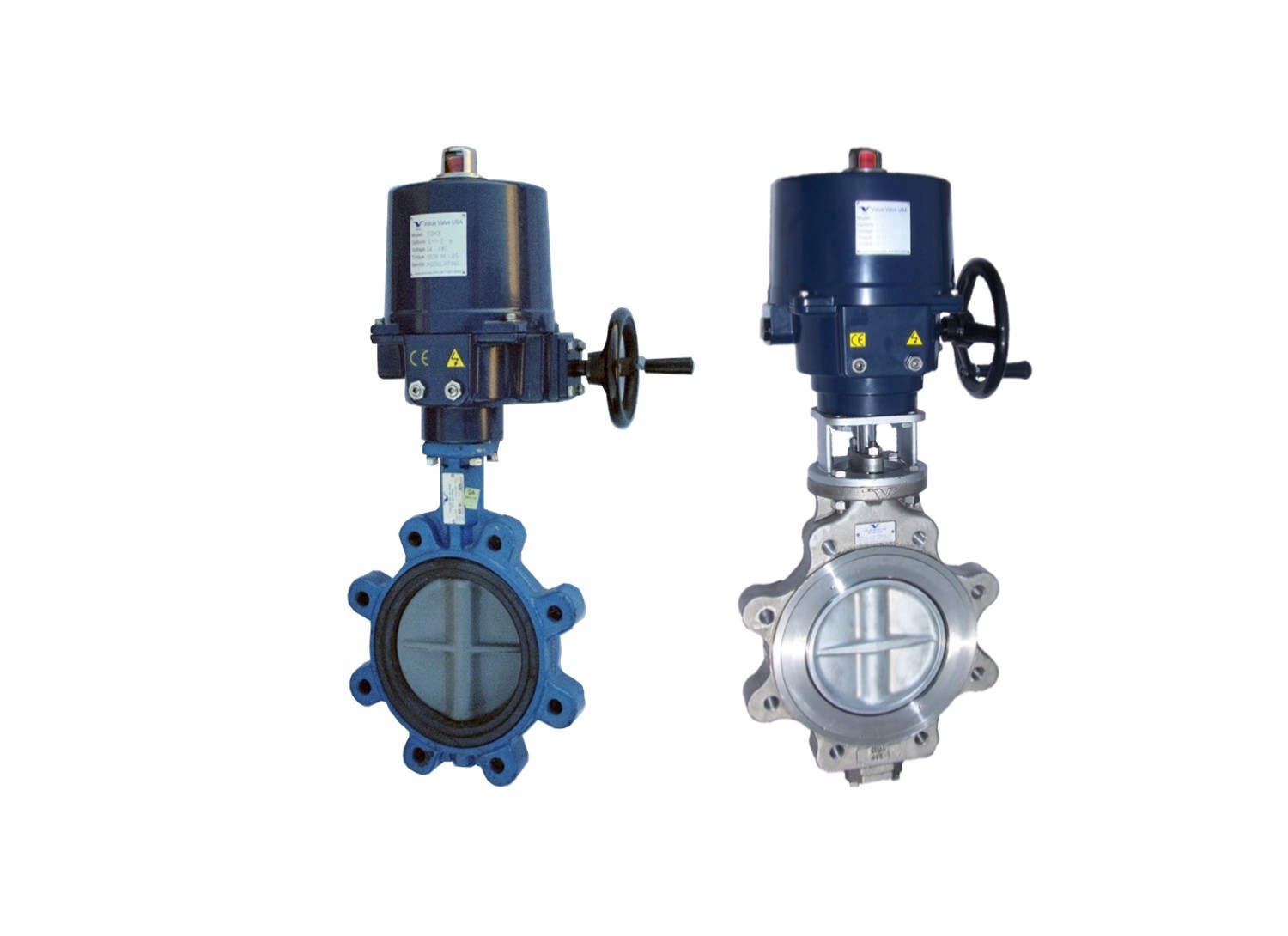
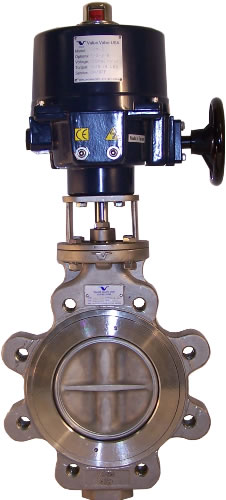
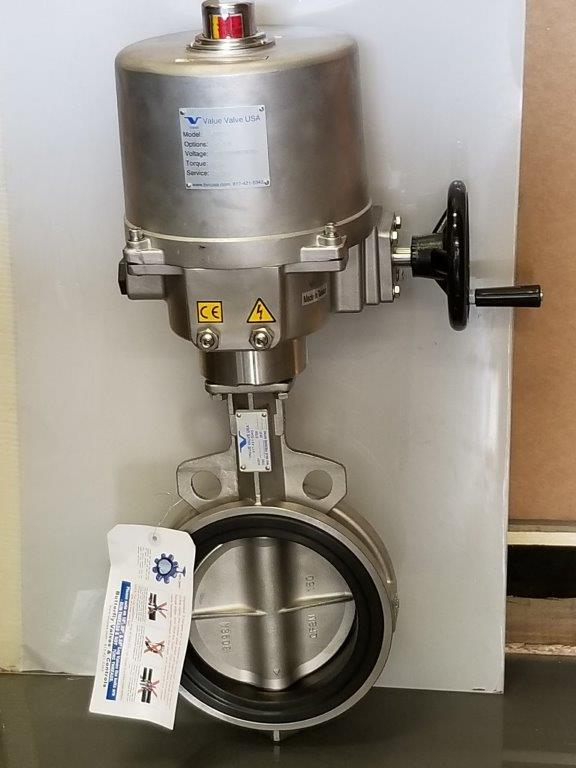
Styles: On-Off, Modulating (Nema 4X), Explosion Proof (Nema 7), Spring Return, Linear, Stainless Steel
Rating: Nema 4X, IP-68 Submersible, Nema 7, SIL
Features: EOM Series Rotary

- The EOM Series actuator features planetary gearing which is self-locking to prevent valves from reversing, without the use of mechanical brakes, a common failure point,
- Body Materials: Aluminum and 316Stainless Steel
- Body Coating: 2- Part Epoxy Coating standard ,optional is Nylon 11 and 316 Stainless Steel
- The most distinctive design is clutch-less manual override (except EBM-2 and EOM-A). The clutch-less design enables the actuators to be changed from electrical control to manual operation without clutch or brake to achieve easier operation which increases mechanical reliability and decrease the failure rate.
- Standard is ISO-5211 Mounting
- Standard is raised mechanical beacon with stainless Steel cover
- All hardware is Stainless Steel making these units Nema 4X and IP-68 Submersible
- Mounting:ISO-5211 Stem (small square) and Mounting Pad
- Drive: Female ISO-5211
Features: OME Series-EXPLOSION PROOF Rotary

- Explosion-proof quarter turn electric actuators offer torque ranges from 310 IN LBS to 13,285 IN LBS. All Models are ISO 5211 compliant and are equipped with a visual position indicator. The manual override can be operated without clutch and brake.
- OME series explosion-proof quarter turn electric actuators are structured as flame-proof and combustible dust-proof. The directive and standards marking are II2GD Ex db IIB T4 Gb, Ex tb IIIC T130°C Db. They are classified as Zone 1 or Zone 2, containing Group II A and Group II B gases, Zone 21 or Zone 22, containing combustible dust atmospheres or a mixture of explosive gas atmospheres and combustible dust atmospheres. Temperature group T1 to T4.
Features: OLE3 Series-EXPLOSION PROOF Linear

Our explosion-proof linear electric actuators provide thrust ranges of 250 to 2,000 kgf (550 ~4410 lbf). All models are equipped with modulating controllers and are suitable for globe valves, gate valves and linear travel devices. They can be applied for HVAC and industrial purposes, especially for steam and high temperature employments.
LE series explosion-proof electric linear actuators are structured as flame-proof and combustible dust-proof. The directive and standards marking are II2GD Ex db IIB T4 Gb Ta -30°C to +70°C, Ex tb IIIC T130°C Db. They are control devices for valves and can be used in places, classified as Zone 1 or Zone 2, containing Group IIA and Group IIB gases, Zone 21 or Zone 22, containing combustible dust atmospheres or a mixture of explosive gas atmospheres and combustible dust atmospheres. Temperature group T1 to T4.
Applications:
- HVAC
- Food Service
- Petrochemical
- OEM
- Fire Control
- Seawater
- Flue Gas
- Chemical
Motor Control Behavior in Automated Valve Systems
Electric actuators used in automated valve systems must maintain stable movement across varied load conditions. The EOM, OME, and OLE3 series support predictable motor control behavior through controlled gearing, balanced internal movement, and consistent electrical response. This stability helps maintain alignment with automated valve sequencing used in chemical processing, HVAC, and industrial automation. When systems operate under changing temperatures or pressure conditions, stable motor behavior supports dependable valve positioning and reduces the likelihood of unintended drift or cycle interruption.
Electrical Interface Compatibility for Modern Control Panels
Facilities often integrate electric actuators into control panels that combine PLCs, relays, positioners, and safety devices. The EOM, OME, and OLE3 series support predictable interaction with these components through standardized wiring layouts and consistent electrical response. This compatibility helps maintain stable communication with electric valve control systems and supports integration into both legacy and modern panel designs. Clear interface behavior also supports easier commissioning, troubleshooting, and long-term system reliability.
Thermal Stability in High-Temperature Environments
Electric actuators used in high-temperature environments must maintain structural stability and predictable movement. The available aluminum, stainless steel, and coated body materials help support actuator performance in applications involving steam, heated process media, or elevated ambient temperatures. The OLE3 series, designed for linear travel, supports stable thrust output in systems where temperature changes influence valve movement. This stability supports high-temperature valve operation across industrial, HVAC, and chemical applications.
Cycle Behavior in Continuous-Duty Applications
Continuous-duty applications require actuators that maintain stable movement across extended operating periods. The EOM and OME series support dependable performance through controlled gearing, balanced internal movement, and consistent electrical response. This behavior helps reduce wear on connected components and supports predictable valve movement in systems that run frequent open-close cycles. Facilities relying on continuous-duty actuation benefit from actuators that maintain torque stability and travel accuracy across long service intervals.
System Compatibility Considerations
Facilities evaluating electric actuator compatibility often consider:
- Voltage and control signal requirements
- Mounting interface alignment
- Environmental rating needs
- Valve type and travel behavior
These considerations help ensure the actuator matches the valve package, electrical system, and environmental conditions present in the application. Proper compatibility supports stable movement, predictable cycle behavior, and long-term reliability.
FAQs
How Does Planetary Gearing Influence Actuator Performance?
Planetary gearing supports stable torque transfer and helps prevent valve reversal under load. This behavior supports dependable movement in automated and manual systems.
What Factors Affect Electrical Response in Electric Actuators?
Motor design, internal gearing, and control signal compatibility influence electrical response. Stable response supports predictable valve movement across varied operating conditions.
Can These Actuators Integrate with Common Control Accessories?
Yes. The ISO-5211 interface and standardized electrical connections support integration with positioners, relays, and other accessories used in automated valve systems.
Why Is Thermal Stability Important in High-Temperature Applications?
Thermal stability helps maintain actuator movement and structural integrity when exposed to elevated temperatures. This supports consistent valve operation in steam, HVAC, and industrial environments.
Sorry, the comment form is closed at this time.